
Middle managers are burning out. Is anyone paying attention?
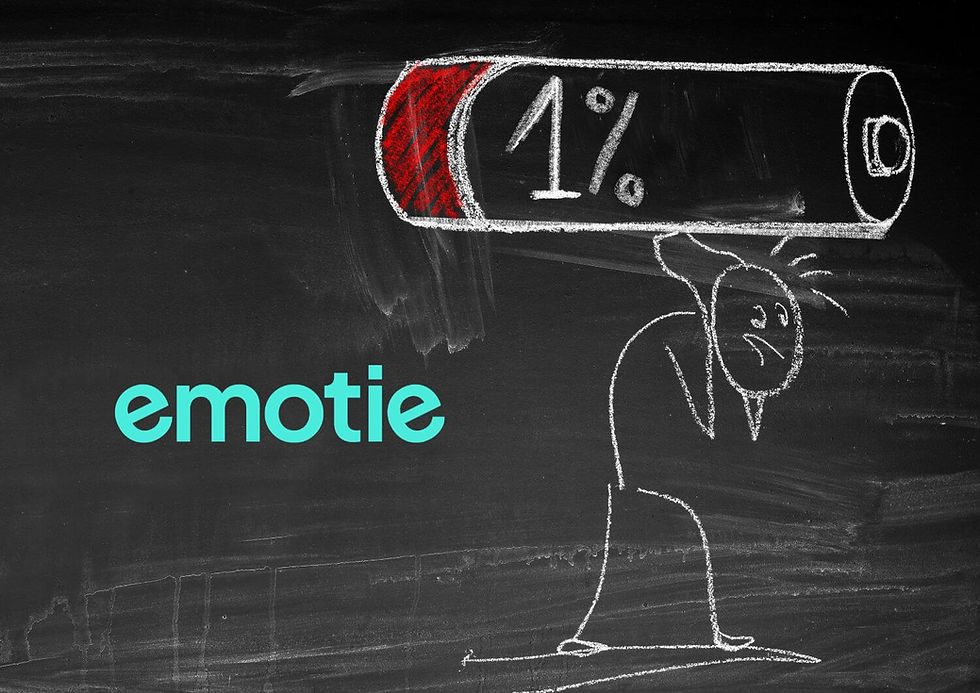
A recent piece in People Management put a name to something a lot of organisations are quietly experiencing: the middle management burnout crisis.
The picture is a familiar one. Leaders at the top setting direction without a clear view of what is happening on the ground. Employees who need support, guidance and connection. And in the middle, a layer of managers trying to hold it all together with not enough time, not enough information, and not enough support.
At some point, they stop going the extra mile. Some disengage quietly. Others leave. And often, nobody saw it coming.
The warning signs were always there
That is the thing about burnout. It rarely announces itself. It builds slowly, through a hundred small moments where someone needed to be heard and was not. Where a manager flagged a problem and nothing changed. Where the gap between what was expected and what was possible kept widening, until it became impossible to bridge.
By the time it shows up in an exit interview or a sickness absence spike, months of early signals have already been missed.
The People Management article makes the point that traditional systems have relied too heavily on sporadic, inconsistent human interaction to draw conclusions about how people are doing. An annual appraisal. A quarterly one-to-one, when diary space allows. A culture where asking for help feels like an admission of failure.
That is not good enough. And most managers and employees already know it.
The gap between leaders and the people doing the work
One of the most telling observations in the article is how often leadership teams are genuinely disconnected from the day-to-day reality of the people working for them. Not through bad intent, but because the flow of honest, real information stops well before it reaches the top.
Middle managers become the point where that information gets filtered, softened or simply absorbed. They translate unrealistic expectations into something manageable. They fill the gaps in communication that should not exist. They carry the emotional weight of a team that needs more than they have the bandwidth to give.
It is an unsustainable position. And in a world of hybrid working, distributed teams and constant change, the distance between leaders and the people they are responsible for is only widening.
Feeling it but not saying it
The research behind Emotie starts from a simple but important observation: most employees have a clear sense of how they are feeling at work, but no natural, low-friction way to express it.
They are not going to raise a hand in a team meeting to say they are struggling. They are not going to email their manager unprompted. And they are certainly not going to wait until the next scheduled review, months away, to flag that something is wrong.
So they say nothing. And the signal that could have prompted a useful conversation, a small change, a moment of genuine connection, is lost.
What real-time connection looks like
Emotie was built to close that gap. By giving employees a simple, everyday way to check in with how they are feeling, it creates a continuous flow of honest information that managers can actually act on.
Not reports. Not dashboards filled with data nobody has time to interpret. Just a clear, real-time picture of how a team is doing, visible to the people who need to see it, in time to do something useful with it.
When a manager is running low, it shows. When a team is starting to disengage, there is time to respond before it becomes a bigger problem. When someone is doing well and would benefit from recognition, that is visible too.
The conversations that make the biggest difference are rarely dramatic. They are the quiet check-in that happens because a manager noticed something early enough to ask. Emotie makes those conversations more likely, because the information that prompts them is no longer buried or lost.
What organisations can do now
The People Management article calls on HR to move beyond managing symptoms and start addressing root causes. That is the right challenge. But it also requires the tools to make it practical.
Organisations that invest in genuine, continuous connection between managers and their teams are not just improving wellbeing scores. They are building something more resilient. A culture where people feel seen, where early signals get picked up, and where managers are supported rather than simply expected to absorb whatever comes their way.
The cost of getting this wrong is significant. Replacing a middle manager who burns out and leaves is expensive. The impact on the team they leave behind is harder to quantify but no less real.
The cost of getting it right is a lot lower than most people expect.


